

Why Am I Seeing Silverfish in My Home?
Small, silvery insects darting across the bathroom floor can be an unsettling sight.
As the weather becomes warmer and more humid, many homeowners begin noticing silverfish more frequently, especially in bathrooms, kitchens and other areas where moisture collects.
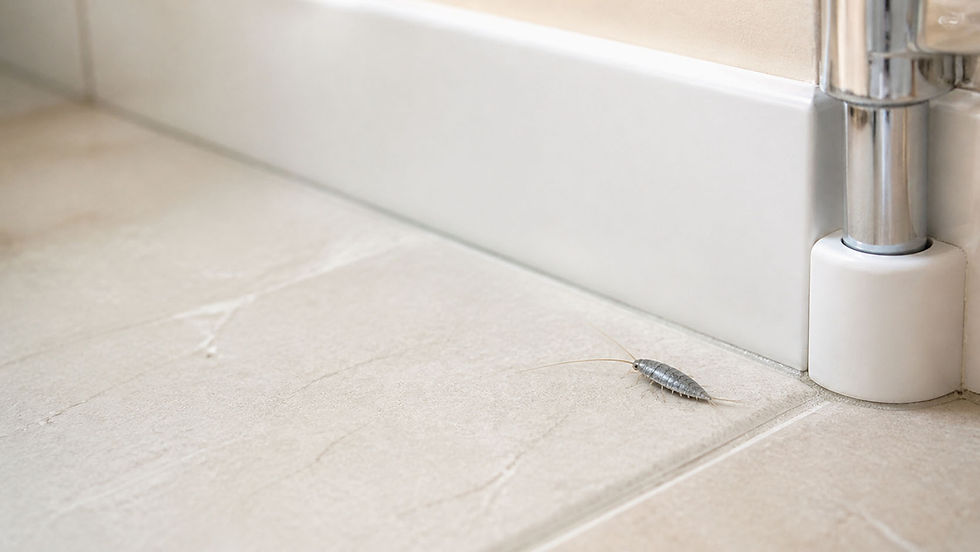
Although silverfish do not bite or spread disease, an established infestation should not be ignored. Their presence can indicate excess moisture in your property, and they may damage books, wallpaper, photographs, clothing and other household belongings.
Here is how to recognise silverfish, why they may be appearing in your home and what you can do about them.
What do silverfish look like?
Silverfish are small, wingless insects with tapered bodies covered in silvery-grey scales. Adults are usually around 10–15mm long and have two long antennae at the front and three bristle-like appendages at the rear.

Their name comes from their appearance and distinctive wriggling movement, which can resemble a fish swimming.
Silverfish are nocturnal, so you are most likely to spot them when entering a bathroom or kitchen at night and turning on the light. They move quickly when disturbed and disappear into cracks, gaps or behind skirting boards.
Why are silverfish appearing now?
Silverfish can live indoors throughout the year, but warm, humid conditions can make homes particularly welcoming to them. Increased moisture from showers, cooking, condensation, slow leaks or poor ventilation creates the damp environment common silverfish prefer.
Typical hiding places include:
Beneath baths and shower trays
Behind skirting boards
Under loose flooring
Behind wallpaper
Inside cupboards
Around pipework
In basements, utility rooms and loft spaces
Near leaking pipes or areas affected by condensation
Seeing an occasional silverfish does not always mean that you have a serious infestation. Regular sightings, silverfish appearing in several rooms or damage to belongings can point to a larger hidden population.
What attracts silverfish?
As well as moisture, silverfish need access to food. Unfortunately, many everyday household materials contain substances they can feed on.
These may include:
Wallpaper paste and other adhesives
Paper, cardboard and book bindings
Cereals, flour and other dry foods
Natural fabrics, including cotton and linen
Microscopic mould
Dead insects and organic debris
They can survive in concealed areas for long periods, making it difficult to judge the size of an infestation from the number you happen to see.
Can silverfish damage your home?
Silverfish are generally considered a nuisance rather than a health risk, but their feeding can damage possessions over time.
Books, paperwork, photographs, wallpaper fabrics and clothing may develop irregular scraped areas, yellow marks or small holes. Stored fabrics can also be affected, particularly when they are kept in damp, undisturbed cupboards or boxes.

Silverfish may occasionally be found near stored food, although good storage and regular cleaning can reduce this risk.
Perhaps more importantly, repeated sightings can be a warning that part of your property has a moisture problem. A leaking pipe, persistent condensation or inadequate ventilation may require attention even after the insects have been removed.
How can I help prevent silverfish?
Reducing moisture and removing potential hiding places can make your home less attractive to silverfish.
Improve ventilation
Use extractor fans when showering or cooking and allow them to run long enough to remove excess moisture. Open windows when appropriate and make sure existing vents are not blocked.
Check for leaks
Inspect pipework, taps, seals and areas beneath sinks, baths and appliances. Even a small, slow leak can create a humid space in which silverfish can thrive.
Manage condensation
Wipe away persistent condensation and consider whether ventilation or heating could be improved. A dehumidifier may help in particularly damp rooms, but the underlying cause should still be investigated.
Reduce clutter
Remove unnecessary cardboard boxes, old papers and other undisturbed materials from damp storage areas. Keep important books, photographs and documents somewhere dry.
Store food securely
Keep flour, cereals and other dry foods in sealed containers. Clean up crumbs and spillages promptly.
Seal accessible gaps
Once any moisture problem has been addressed, sealing gaps around skirting boards, pipework and cupboards can reduce the number of places available for silverfish to hide.
Why do silverfish sometimes return?
Only treating the insects you can see may not solve the underlying problem. Silverfish hide deep inside cracks, cavities and other inaccessible spaces during the day. Eggs and insects in untreated areas can allow the infestation to continue.
Moisture may also remain after treatment, leaving the property suitable for another infestation.
Professional silverfish control begins with identifying the affected areas, locating likely hiding places and assessing the conditions supporting the infestation. This allows treatment and prevention advice to be tailored to the property.
Correct identification also matters. Grey silverfish, a related species increasingly encountered in the UK, can tolerate drier conditions and may be found beyond the usual bathroom and kitchen locations.
When should I contact a pest control professional?
Consider professional help if:
You are seeing silverfish regularly
They are appearing in several rooms
You have found damage to books, wallpaper, papers or fabrics
The infestation continues after reducing moisture
You cannot identify where they are coming from
You manage a business, rental property or premises containing valuable stock or documents
Stratton Pest Control provides thorough inspections and targeted silverfish treatments for homes and businesses. We will assess the extent of the problem, identify contributing conditions and recommend an appropriate plan to help prevent it from returning.
If silverfish are making themselves at home in your property, arrange professional silverfish removal with our friendly, experienced team.
